The problem with building on site
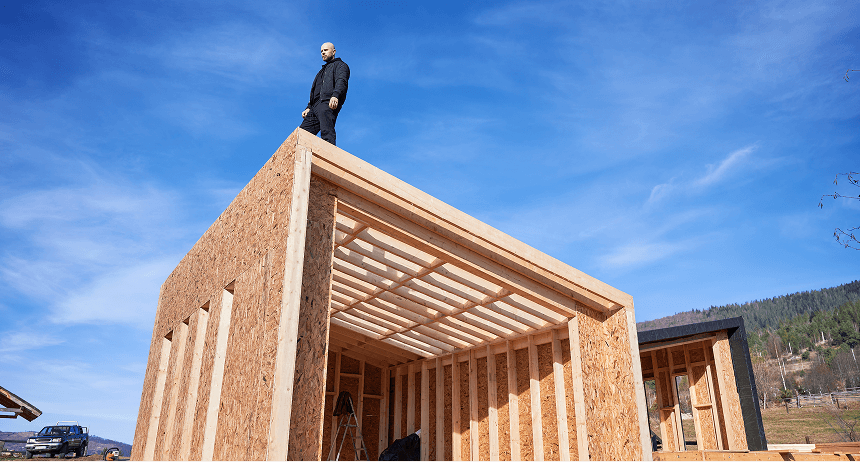
A conventional site build is at the mercy of things nobody on the project controls. A week of monsoon rain stops the work. A late truck leaves a crew waiting. Two welders on the same frame work to two different standards. None of it is anyone's fault, and all of it shows up in the schedule and the finish.
We build cabins in a factory because it takes those variables off the table. Weather doesn't reach a production bay. Materials arrive before they're needed, not the morning of. The same people build the same joint the same way, every time.
What actually happens in the factory
By the time a Fourwalls cabin leaves our yard in Chennai, almost everything a site crew would normally do is already done:
- Base frame cut, welded, and treated against corrosion
- Wall and roof panels fixed, sealed, and checked for gaps
- Doors, windows, and louvres fitted and adjusted
- Wiring, switches, lights, and sockets installed and tested
- Plumbing and sanitary fittings connected where the unit needs them
- Flooring, ceiling, and interior finish completed
The site should be the last five percent of the job, not the first ninety.
Fourwalls engineering team
What's left for the site
The remaining work is the part that can only happen where the cabin will stand: a level base, the lift into place, and the connections to power, water, and drainage. On a prepared site that usually takes a day or two, not weeks
Controlled conditions don't just make us faster. They make the result predictable. Every unit goes through the same checks before dispatch — frame alignment, panel joints, water tightness, electrical continuity — and if something fails, we fix it on the bay floor, where it's cheap to fix, rather than on your site, where it isn't.
It also means the price we quote is the price you pay. Most overruns on site builds come from time: extra days of labour, equipment hire, and rework. Take the time out and the overruns go with it.
Where it doesn't fit
Factory-built isn't the answer to every brief. Very large spans, heavy-load structures, and buildings that need deep foundations are better served by conventional construction. When a brief falls into that territory, we'll tell you.